Feature
Custom domains for your QR codes
Codes that resolve on a link customers don't recognize get scanned less and reported more. Put your own domain behind every scan instead.
Feature
Codes that resolve on a link customers don't recognize get scanned less and reported more. Put your own domain behind every scan instead.
QR Hero lets you put a custom domain behind every QR code you create, so codes resolve on a link your customers already recognize instead of a shared shortener domain.
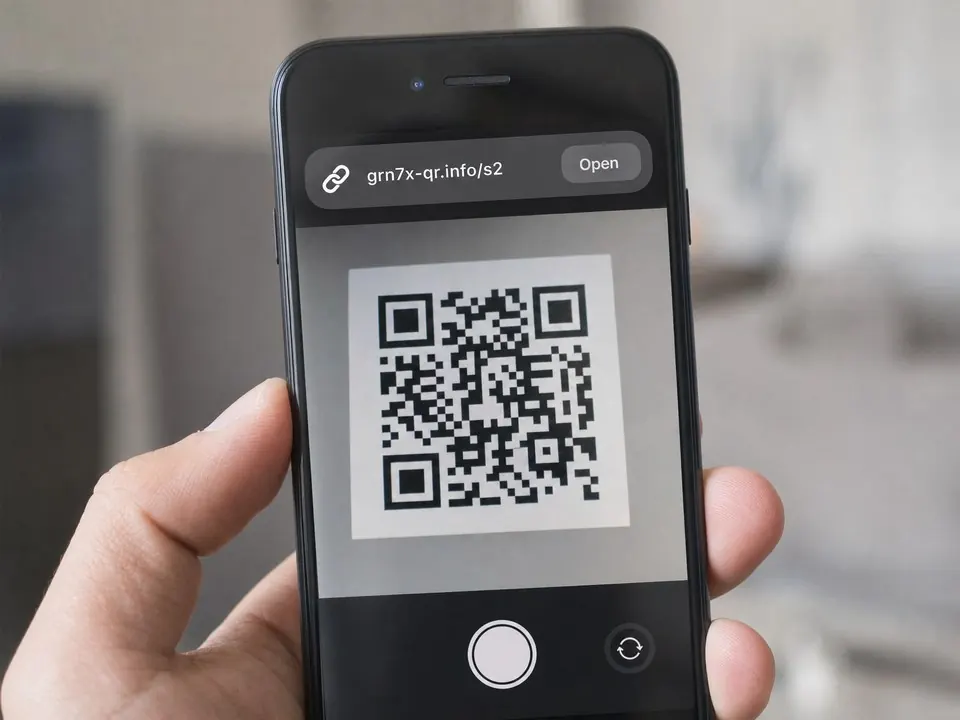
Every QR code redirects somewhere, and the URL a customer's phone shows before they tap through matters more than most brands realize. A shared redirect domain - the kind stamped across countless generic QR code generators - reads as generic at best and suspicious at worst. As awareness of QR code phishing ("quishing") scams has grown, customers have gotten warier of unfamiliar shortlinks, and that hesitation shows up directly in scan and click-through rates. It's measurable, too: 29% of consumers say they're still unsure whether a QR code is safe to scan, per Uniqode's State of QR Codes 2026 report (April 2026) - exactly the doubt a recognizable domain in the scan preview is built to remove.
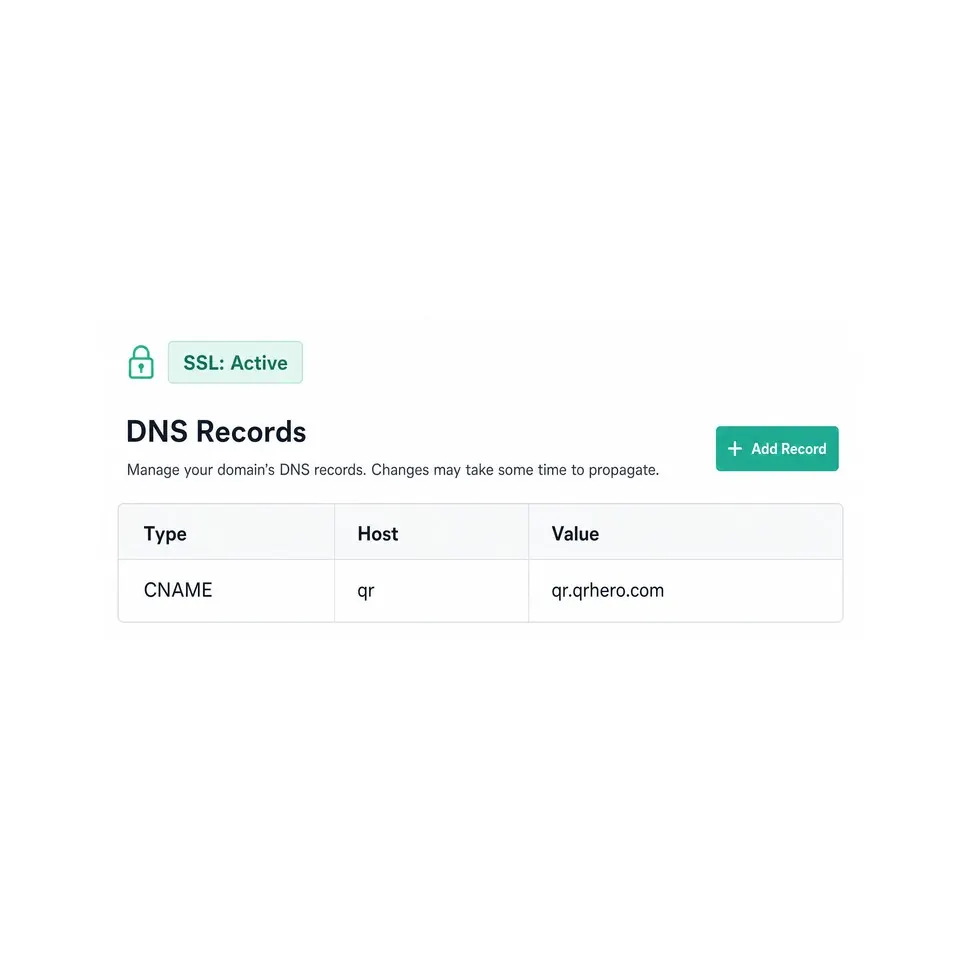
QR Hero lets you put your own domain behind every code instead. Point a subdomain like qr.yourbrand.com at QR Hero and we handle the rest: automatic TLS certificate issuance and renewal, DNS verification, and instant propagation across every existing and future code on your account. Your registrar and DNS host never change - you're only adding a record, not migrating anything.
The result is a QR code generator with custom domain support built in from the start, not bolted on as an enterprise afterthought. Menus, vCards, product feeds, event pages, and dynamic links all resolve on the same recognizable domain, so a customer scanning a code on packaging sees the same trusted URL as one scanning a code on a menu or business card. For agencies managing QR codes across multiple client brands, per-client custom domains keep every deployment on-brand without extra tooling - a small technical change with an outsized effect on trust, and on how many people actually complete the scan.
Custom domains work especially well alongside Dynamic links you can re-point without reprinting, and agencies running several client domains often pair them with Agency & multi-brand management and API access to keep everything in sync.
A shared redirect domain gets flagged by spam filters and ignored by cautious customers.
TLS is issued and renewed for you automatically - no manual certificate work.
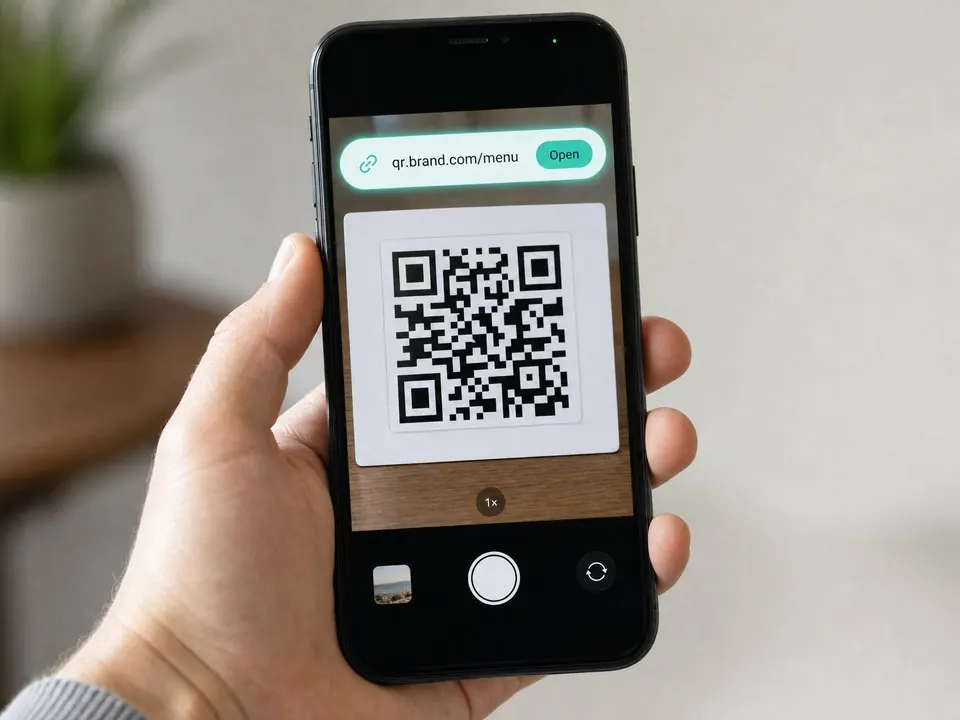
Every code resolves on a domain they already recognize.
Point a subdomain (qr.yourbrand.com) at QR Hero - verified automatically.
TLS is provisioned and renewed for you. No manual certificate work, ever.
New and existing codes resolve on your domain by default.

Automatic TLS
Issued and renewed for you - nothing to manage manually.
DNS stays yours
Nothing moves your registrar or domain host, ever.
Scales by plan
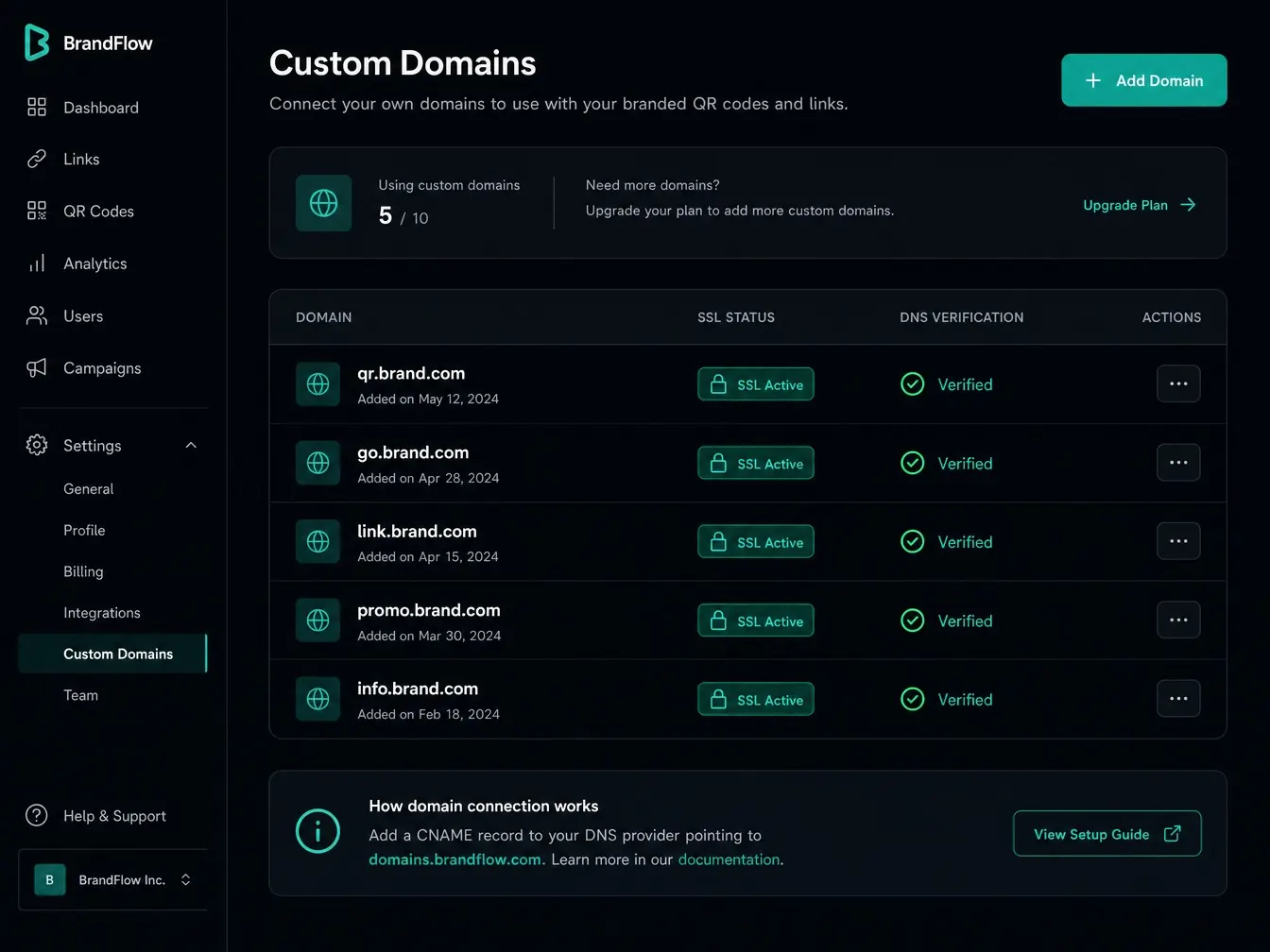
One domain slot on Business, three on Professional and ten on Enterprise.
Re-point without reprinting
Move a code to a new custom domain where supported, no new QR needed.
Works with everything
Menus, vCards, product feeds, and links all resolve on your domain.
Never vendor-branded
No unfamiliar URL ever shown to a scanning customer.
Password-protected codes
Add a passcode gate to sensitive links, on top of your own domain.
Put it to work on your next print run
Your first dynamic code is live in minutes, on your own domain.
It depends on plan: Starter does not include a domain slot, Business includes one, Professional three, and Enterprise ten. Extra domains are EUR 15 a month each. See Pricing for the full breakdown.
No - you add a subdomain record pointed at QR Hero from wherever your DNS is already hosted. Your main domain and other records are untouched.
Yes - a large share of QR distrust comes from unfamiliar shortener domains. Resolving on a domain your audience already recognizes as yours directly addresses that.
Common pairings for campaign-driven teams.
See this feature in context, industry by industry.
Your first dynamic code is live in minutes, on your own domain.